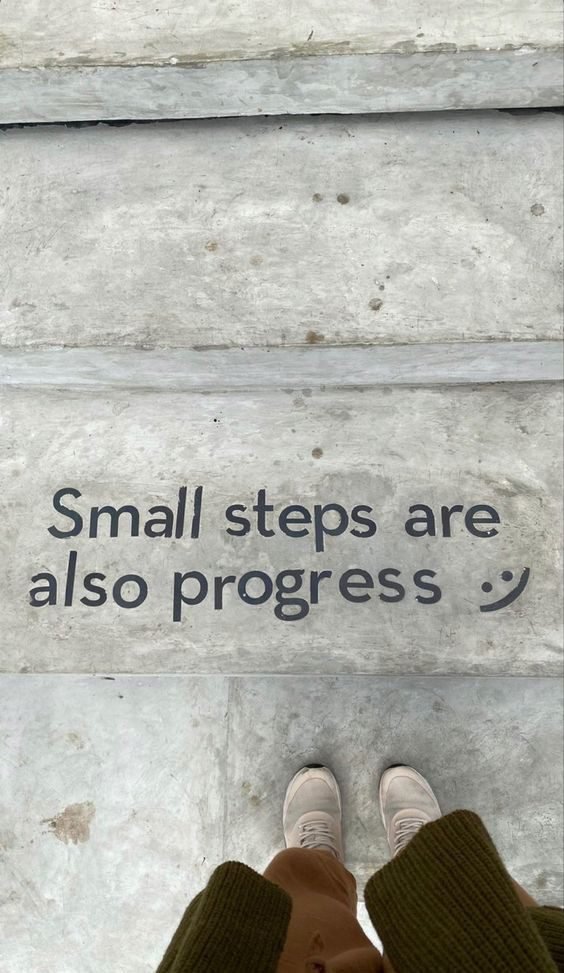

In a world obsessed with overnight success, flashy goals, and grand resolutions, it’s easy to overlook the quiet power of small habits. Yet, these tiny, seemingly insignificant actions are often the most reliable path to meaningful, lasting change. Whether you’re trying to improve your health, build a business, or become more mindful, mastering the art of small habits can set you up for success.
Here’s why small habits matter and how you can harness their potential in your daily life.
Why Small Habits Matter
1.They’re Easy to Start
The biggest obstacle to change is often starting. Large goals can feel intimidating, triggering procrastination or self-doubt. Small habits, on the other hand, are so manageable that it’s hard to find an excuse not to start. Want to get into shape? Commit to one push-up a day. Want to read more? Read a single page each night. These micro-commitments lower the barrier to entry.
2.They Create Momentum
Success breeds success. Completing a small task gives you a sense of accomplishment, which motivates you to tackle the next one. Over time, these small wins accumulate, building momentum toward bigger achievements.
3.They Compound Over Time
The beauty of small habits lies in their compounding effect. A 1% improvement each day may seem trivial, but over a year, it adds up to a 37% improvement. This principle, often referred to as “the power of compounding,” shows that small, consistent efforts can lead to exponential growth.
4.They’re Sustainable
Radical lifestyle changes are hard to maintain. A crash diet might yield quick results, but it’s unlikely to stick. Small habits, by contrast, integrate seamlessly into your routine, making them easier to sustain for the long haul.
How to Build Small Habits
1.Anchor Them to Existing Habits
One of the easiest ways to establish a new habit is to piggyback on an existing one. This is called “habit stacking,” a concept popularized by James Clear in Atomic Habits. For example:
•After brushing your teeth, floss one tooth.
•After pouring your morning coffee, write down one thing you’re grateful for.
2.Start Ridiculously Small
To make a habit stick, start with a version so easy it feels almost silly. If your goal is to meditate, start with one deep breath. If you want to write a book, jot down a single sentence. These small actions reinforce the habit and make it easier to build on later.
3.Celebrate Tiny Wins
Positive reinforcement is crucial when developing habits. Celebrate every small win, no matter how insignificant it seems. Finished a 5-minute workout? Give yourself a mental high-five. Logged your meals for the day? Treat yourself to a compliment. These celebrations create positive associations with the habit.
4.Track Your Progress
Keeping track of your habits, even with a simple checklist or journal, can be highly motivating. Seeing a streak of completed habits builds a sense of pride and accountability.
5.Be Patient
Habits don’t form overnight. Research suggests it takes an average of 66 days for a new habit to become automatic. Be patient with yourself, and focus on consistency rather than perfection.
Examples of Transformative Small Habits
•For Better Health: Take a 5-minute walk after meals.
•For Mental Clarity: Write down one worry each evening and leave it on paper.
•For Personal Growth: Read one paragraph of a book every day.
•For Stronger Relationships: Send a kind text or thank-you note to someone once a week.
•For Financial Wellness: Save $1 a day or round up your purchases into a savings account.
The Ripple Effect of Small Habits
What’s fascinating about small habits is how they ripple outward, affecting other areas of your life. A 5-minute morning stretch might lead to a healthier breakfast, more energy at work, and a better mood throughout the day. Small habits don’t just change what you do—they change how you see yourself. Completing that daily push-up might shift your identity from “someone who’s out of shape” to “someone who works out.”
The next time you’re tempted to overhaul your life with a dramatic resolution, pause and think small instead. Ask yourself: What’s the tiniest, easiest step I can take today? Then do it. Success isn’t about making huge leaps—it’s about taking consistent, small steps in the right direction.
Remember, the journey of a thousand miles begins with a single step. Or, in the case of small habits, a single push-up, sentence, or smile.
What small habit will you start today?