
Music is one of the most powerful ways to connect people, and Afrobeat is a perfect example of how a genre rooted in a specific culture can grow to captivate the entire world. From its revolutionary beginnings in Nigeria to its modern-day global domination, Afrobeat has evolved into a musical force that transcends borders. Let’s take a closer look at the journey of this iconic sound.
1. The Origins of Afrobeat
Afrobeat was born in the 1960s and 1970s, thanks to Nigerian legend Fela Kuti. Combining traditional African rhythms with elements of jazz, funk, and highlife, Fela created a sound that was as unique as it was powerful.
But Afrobeat wasn’t just about music—it was a movement. Fela used his songs to criticize political corruption, inequality, and colonial influence in Africa. Tracks like “Zombie” and “Water No Get Enemy” became anthems for change, solidifying Afrobeat’s reputation as a genre with a message.
2. The Evolution of Afrobeat
After Fela Kuti’s groundbreaking work, Afrobeat continued to grow and evolve. The genre laid the foundation for Afrobeats (note the plural), a newer, more pop-oriented style that incorporates elements of hip-hop, dancehall, and R&B.
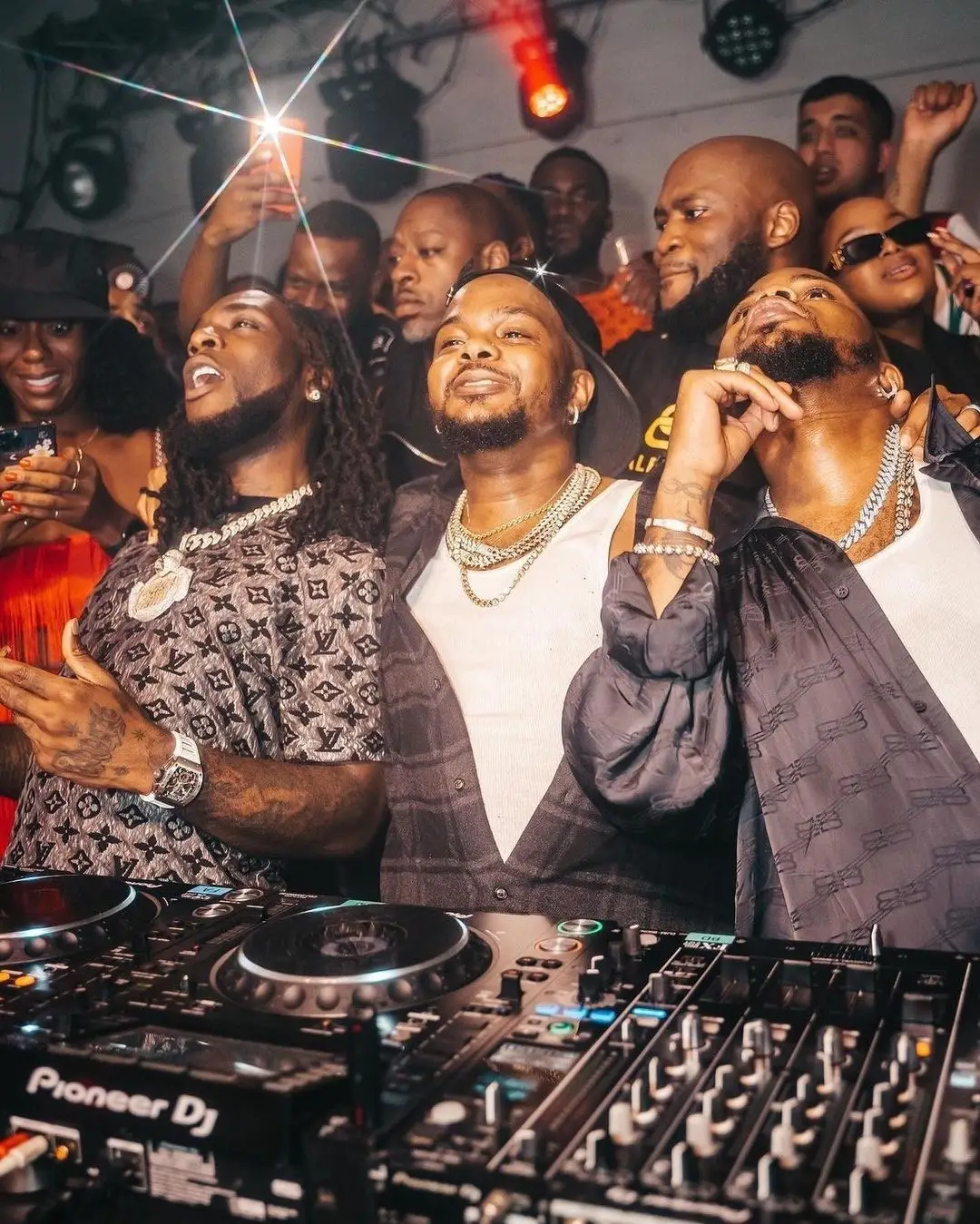
Artists like Burna Boy, Wizkid, and Tiwa Savage have taken the core elements of Afrobeat and adapted them for modern audiences. While staying true to its roots, this new wave of Afrobeat-infused music has gained mainstream popularity and is now a staple on global charts.
3. Key Artists Shaping the Genre
You can’t talk about Afrobeat without mentioning its pioneers and contemporary stars:
•Fela Kuti: The undisputed father of Afrobeat, whose politically charged music remains timeless.
•Burna Boy: Often called the “African Giant,” Burna Boy has brought Afrobeat to Grammy stages and worldwide audiences. His hits like “Ye” and “Last Last” blend traditional rhythms with modern flair.
•Wizkid: A trailblazer in Afrobeats, Wizkid’s collaborations with artists like Drake (“One Dance”) and Beyoncé (“Brown Skin Girl”) have introduced Afrobeat to new audiences.
•Tems: With her soulful voice and international collaborations, Tems is one of the rising stars of the Afrobeat movement.
4. Why Afrobeat Is Globally Popular Today
Afrobeat has a universal appeal that’s hard to resist. Here’s why it’s become a global phenomenon:
•Infectious Rhythms: The genre’s upbeat tempos and danceable grooves make it perfect for any setting, from nightclubs to house parties.
•Collaborations: Afrobeat artists frequently team up with global stars, breaking into mainstream markets. Beyoncé’s The Lion King: The Gift album, featuring Burna Boy, Wizkid, and Tiwa Savage, is a prime example.
•Streaming and Social Media: Platforms like Spotify and TikTok have made Afrobeat accessible to millions, with viral hits spreading like wildfire.
5. The Impact of Afrobeat on the Music Industry
Afrobeat hasn’t just gained fans—it’s influenced other genres. From hip-hop artists sampling Afrobeat rhythms to pop stars embracing African aesthetics, the genre has left a mark on the global music landscape.
For example, Drake’s “One Dance” and Ed Sheeran’s “Bibia Be Ye Ye” incorporate Afrobeat-inspired sounds, showing how the genre is shaping mainstream music.
6. Where to Start Listening
If you’re new to Afrobeat, here’s a starter playlist to guide your journey:
•Classics:
•“Water No Get Enemy” – Fela Kuti
•“Zombie” – Fela Kuti
•Modern Hits:
•“Ye” – Burna Boy
•“Essence” – Wizkid ft. Tems
•“Koroba” – Tiwa Savage
•“Calm Down” – Rema
This mix of old and new will give you a sense of the genre’s evolution and its enduring energy.
Final Thoughts
Afrobeat is more than just a music genre—it’s a cultural force that celebrates African heritage and creativity. Whether you’re drawn to its vibrant rhythms, its powerful messages, or its ability to bring people together, Afrobeat is a sound that truly resonates worldwide.
Now’s the perfect time to dive into this dynamic genre and experience the music that’s inspiring a global movement.