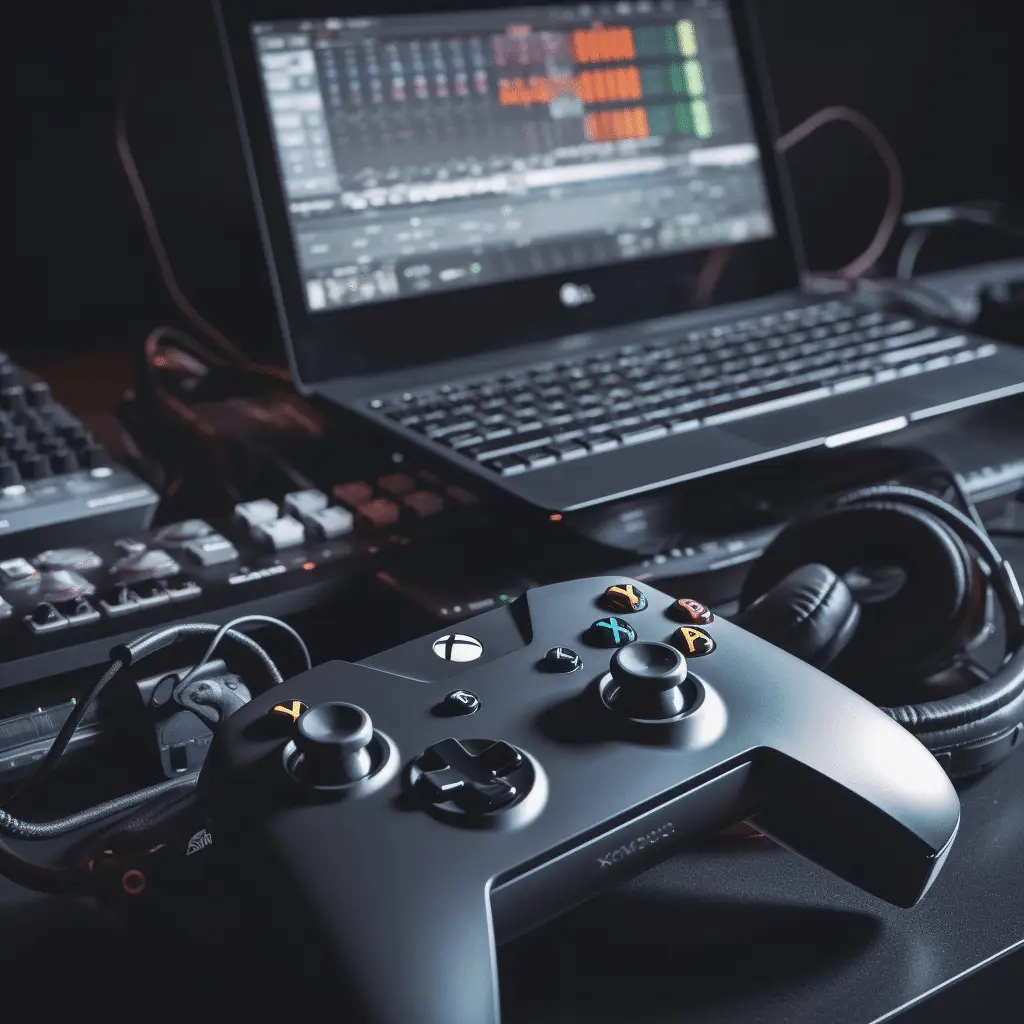

The intersection of music and gaming has evolved into a sophisticated art form, where soundtracks play an integral role in enhancing immersion, storytelling, and emotional resonance. Gaming music is no longer just a background element—it’s a defining feature of the industry, capable of elevating a game from good to unforgettable. Here’s a closer look at how music and gaming collaborate to create unforgettable experiences, including in blockbuster games like PUBG.
The Role of Music in Gaming
1.Immersion and Atmosphere
Music creates the atmosphere that players live in, shaping their emotional response to gameplay. For example, the haunting tones of The Last of Us heighten its post-apocalyptic tension, while the upbeat melodies of Animal Crossing provide a sense of relaxation.
•Dynamic Soundtracks: Games like Red Dead Redemption 2 and The Witcher 3 use adaptive music systems where the soundtrack shifts based on the player’s actions or environment, creating a personalized auditory experience.
2.Narrative Enhancement
Like in cinema, music in games can be a storytelling device. It often signals emotional shifts, from moments of triumph to scenes of tragedy. Titles like Final Fantasy and The Legend of Zelda use iconic scores to underscore pivotal story beats, ensuring they linger in players’ memories.
3.Player Motivation and Engagement
Fast-paced music in games like DOOM amplifies the adrenaline of combat, while rhythm-based games like Beat Saber and Dance Dance Revolution put music at the forefront, challenging players to move in sync with the beat.
PUBG: Minimalism That Packs a Punch
Unlike games with robust soundtracks, PlayerUnknown’s Battlegrounds (PUBG) opts for a minimalist approach to music, relying heavily on ambient sound design.
1.Menu and Lobby Music
•PUBG’s iconic menu themes set the tone with suspenseful and militaristic tracks. These tracks create a sense of anticipation and tension before a match begins, reminding players of the high-stakes survival gameplay.
•Seasonal updates introduce new tracks, often reflecting thematic changes such as collaborations with franchises or map-specific events. For example, the Vikendi map brings in icy, atmospheric tones, while urban battle royale settings use grittier, electronic-inspired themes.
2.In-Game Ambiance Over Music
•While PUBG largely avoids in-match music to keep the focus on its realistic gameplay, its sound design plays an equally important role. From footsteps to distant gunfire, the game’s use of silence amplifies tension, while short, dramatic sound cues (such as zone shrinking or kill notifications) are used sparingly for impact.
•The lack of in-game music allows players to rely on auditory cues for survival, making the moments of music—such as match victory fanfare—all the more rewarding.
3.Why It Works
•PUBG demonstrates how a minimalist approach to music can create an equally immersive experience. Rather than overwhelming players with constant audio, the occasional use of music heightens the realism and focus, making PUBG stand out in the gaming world.
Iconic Gaming Soundtracks
Here are some other standout games with memorable music:
1.The Legend of Zelda: Ocarina of Time
Koji Kondo’s compositions, such as “Zelda’s Lullaby” and “Gerudo Valley,” are unforgettable and showcase the power of music in evoking wonder and nostalgia.
2.Cyberpunk 2077
The game blends synthwave and futuristic beats with contributions from artists like Grimes to enhance its dystopian setting.
3.Halo Series
The opening choral chant is iconic and synonymous with the grandeur of the franchise’s sci-fi themes.
The Rise of Gaming as a Music Platform
1.Concerts in Games
Games like Fortnite have hosted virtual concerts for Travis Scott and Ariana Grande, proving that games can be a platform for music events.
2.Music Licensing in Games
Titles like Tony Hawk’s Pro Skater and FIFA curate playlists that introduce players to new genres, often driving music trends.
3.Opportunities for Independent Artists
Indie games like Undertale and Celeste showcase how independent developers can collaborate with musicians to create unforgettable scores.
Lessons for Artists and Producers
1.Experiment with Dynamic Scoring
Adaptive soundtracks, like those in Red Dead Redemption 2, create personalized experiences.
2.Collaborate with Developers
Align compositions with narrative and visual themes to create cohesive experiences.
3.Understand Minimalism
Learn from PUBG: sometimes, less is more. The strategic use of music can make moments stand out more effectively.
Conclusion
From the emotional highs of Halo to the minimalist tension of PUBG, music in gaming is a powerful force that enhances immersion, drives narratives, and connects players to the virtual worlds they inhabit. Whether through epic orchestral scores or understated ambient tracks, music remains an essential element of the gaming experience, shaping how we play and how we feel.
Would you like to expand on a specific aspect, like PUBG’s updates or a focus on dynamic scoring?